
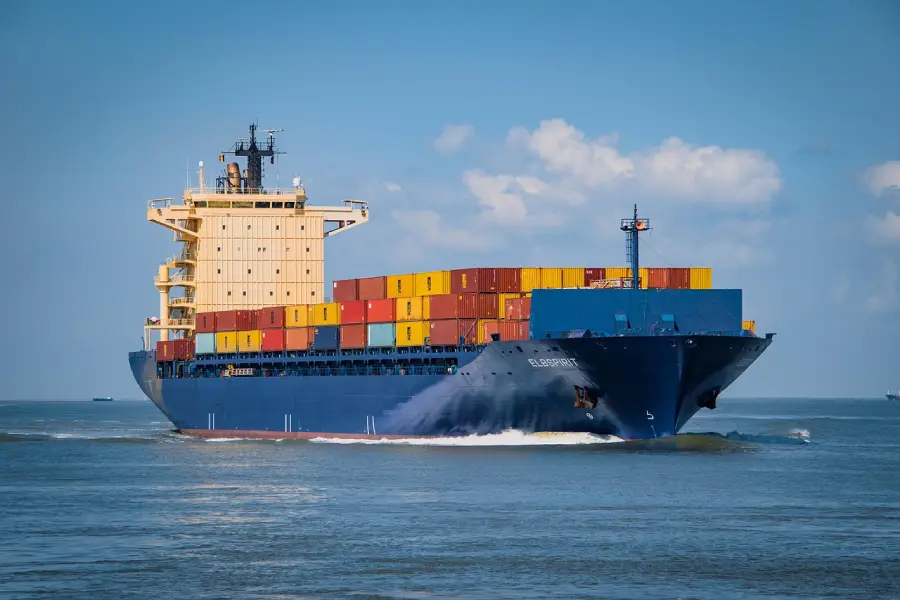
Southeast Asia has become one of the world’s most active trading regions, offering abundant agricultural resources, established manufacturing hubs, and strong international logistics routes. As businesses increasingly look to expand their global supply chains, selecting the right import–export partner in this region is essential. A reliable partner not only ensures smooth transactions but also protects your product quality, compliance, and long-term business growth.
Assess Market Expertise and Regional Knowledge
A dependable import–export partner should have a strong understanding of Southeast Asian markets, including local regulations, customs procedures, and trade requirements. Experience in navigating these complexities can prevent costly delays and compliance issues. Look for partners who demonstrate familiarity with multiple ASEAN countries and understand how each market operates.
Verify Legal Compliance and Certifications
Trade regulations in Southeast Asia vary from country to country. Reliable partners maintain proper licenses, certifications, and government approvals for their operations. This includes export licenses, halal certifications where required, storage permits, and product-specific regulatory documents. Ensuring these credentials are in place protects your business from legal and logistical risks.
Evaluate Supply Chain and Logistics Capabilities
Strong logistics capacity is a key indicator of a trustworthy trading partner. Assess whether they offer cold-chain systems, reliable transportation networks, warehousing solutions, and transparent tracking processes. Efficient logistics not only improve delivery timelines but also preserve product quality, especially for perishable goods and FMCG items.
Review Quality Control and Product Standards
Consistency is essential in global trade. A reliable partner invests in strong quality-control procedures, frequent inspections, and compliance with international safety standards. Request documentation, product specifications, and quality test reports to ensure they can meet your requirements. Partners who emphasize product safety and consistency are more likely to deliver long-term reliability.
Check Financial Stability and Business Reputation
Financially stable partners are more capable of handling large orders, managing unexpected challenges, and supporting long-term commitments. Research their business history, client reviews, and partnerships. A strong track record of collaboration with regional and international clients is a strong indicator of professional reliability.
Prioritize Communication and Customer Service
Effective communication is vital in cross-border trade. Choose partners who provide clear updates, responsive support, and proactive problem-solving. Reliable import–export partners maintain open channels of communication throughout the entire supply chain, ensuring that potential issues are addressed early.
Leverage Technology and Transparency
Modern import–export partners use technology to enhance efficiency and transparency. This may include digital documentation, shipment tracking, inventory management systems, and real-time communication tools. Transparent reporting builds trust and creates smoother trading experiences.
Conclusion
Selecting a reliable import–export partner in Southeast Asia requires careful evaluation of expertise, compliance, logistics, quality standards, financial strength, and communication practices. Businesses that invest time in choosing the right partner gain stability, efficiency, and long-term growth opportunities in this dynamic market. For companies seeking dependable support across Asia and the Middle East, Green Sigma Group delivers professional, trustworthy, and customer-focused trading solutions designed to elevate your business.